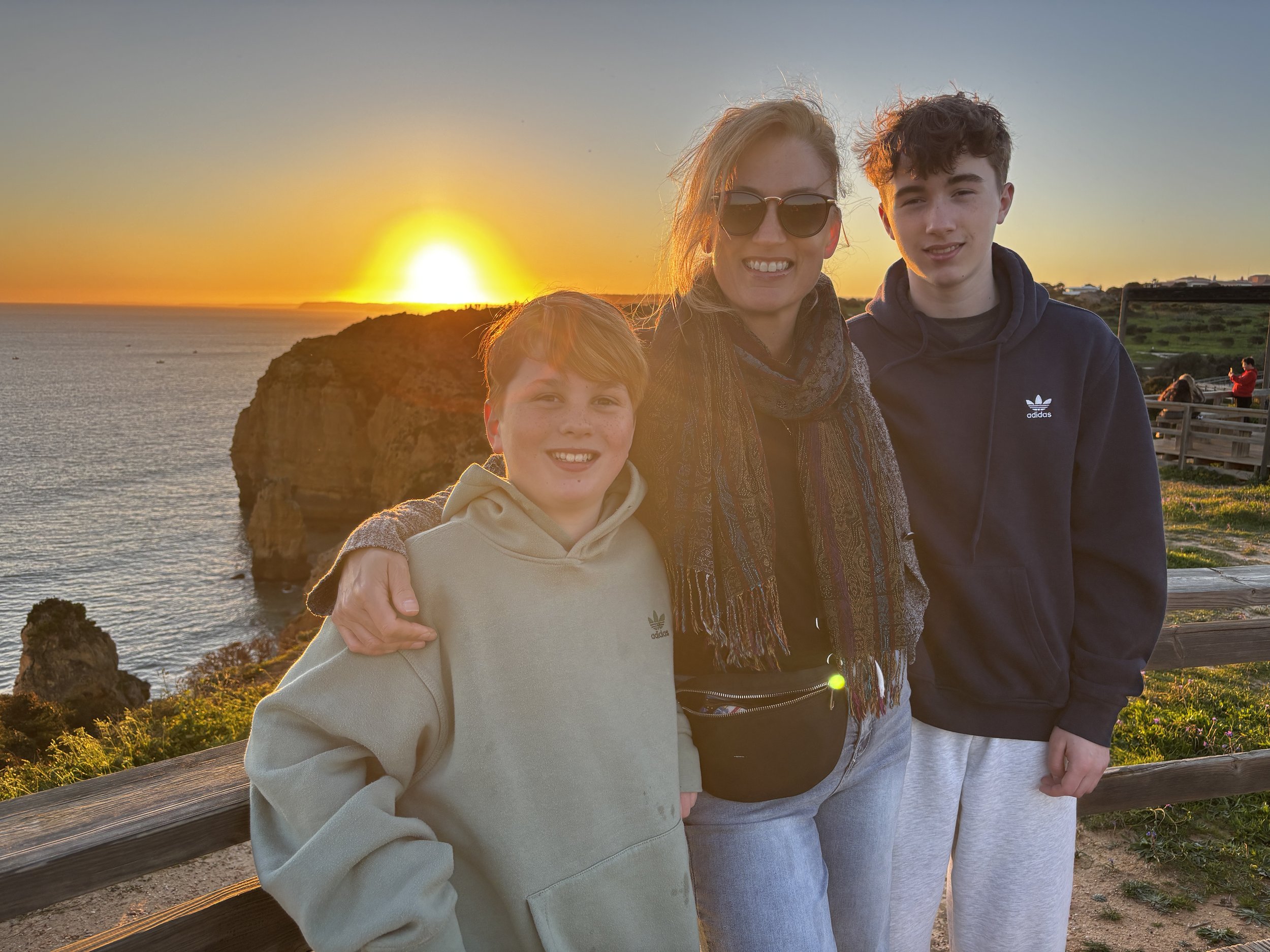
About Story to Soul

Where this began

I’ve been interested in questions about life, death, and what comes after for as long as I can remember. I grew up in a household where, lucky for me, these ideas were discussed openly. My dad meditated long before it was common and read books about consciousness and out-of-body experiences. My mom believed in reincarnation and often spoke about the idea that people return within the same families, but in different roles. It made these questions feel normal to me from an early age.

That curiosity stayed with me throughout my life, especially during periods of transition, loss, and uncertainty.

In recent years, I’ve spent time listening to people share their life stories online, including many near-death experience interviews. What stood out was not the extraordinary event itself, but what people said afterward. They often spoke about what mattered more, and about recognizing in hindsight things in their lives they had not clearly seen before.

Again and again, people described patterns in their lives. Roles they kept taking on. Situations that returned. Things that only became clear when they looked back across time.

It made me wonder whether a person could see those patterns without needing a crisis or a near-death experience first. For me, reflection has always been private. I’m more comfortable looking at my life on my own.

Story to Soul came from that idea. A structured way to look at your life in stages and recognize things that are easier to see across time.

Why I built Story to Soul

I care about reflecting on my life and understanding how I’ve grown and continue to grow. I’m drawn to the idea that meaning does not depend on having a grand mission or an exceptional story. What a person may be here to learn, practice, or simply experience is often found in the day-to-day moments that make up a life.

I built Story to Soul as a structured way to look across a life and notice patterns over time. The questions and report format were developed carefully so your responses are considered stage by stage and then brought together into a single narrative.

No one reads your responses. AI is used as a tool within that structure to organize what you have written and reflect it back clearly, without interpretation or advice.

What I hope for you

I hope it helps you look at your life as a whole. To notice how things have unfolded over time. To recognize moments of effort, change, and growth that may not have stood out while you were living them.

It is meant to help people see that meaning can be found in many kinds of lives, and to acknowledge a life that has included care, resilience, and learning along the way. Many people also appreciate simply taking the time to reflect on their lives, and seeing how different parts of life connect when considered together. Looking at your life in this way can bring into view what has mattered, how you’ve responded, and how you’ve grown over time.

It can also help clarify what feels important now, and what you may want to focus on in the next stage of your life.

Shannon